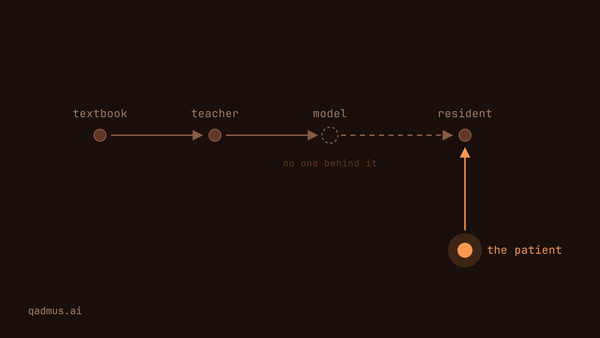
In 2023, four commercial chatbots repeated race-based medical claims that medicine had already rejected. Those claims were old human testimony, passed on by something that never believed them. This post asks whether a machine can testify, and who answers for it when it is wrong.
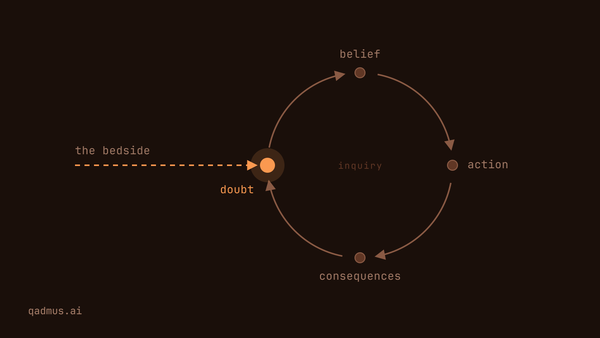
A sepsis model ran at hundreds of hospitals before Michigan Medicine tested it on its own patients and found it missed two out of three sepsis cases. Pragmatism says an idea is known by what happens when we act on it. This post asks what it means for an AI tool to work, and for whom.
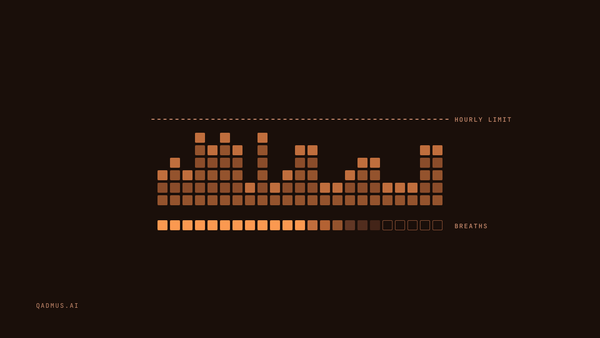
A pump obeys every dose limit while a patient's breathing slows. Formal verification can prove that software meets its specification. This post asks what that proof leaves out, and why the most dangerous failures in health care AI sit between the model and the bedside.
A screening model can be accurate and still send a patient home without an answer. This post asks what a reliability record can justify, using Goldman's reliabilism and a diabetic eye screening program in Thailand, and what the record leaves out.
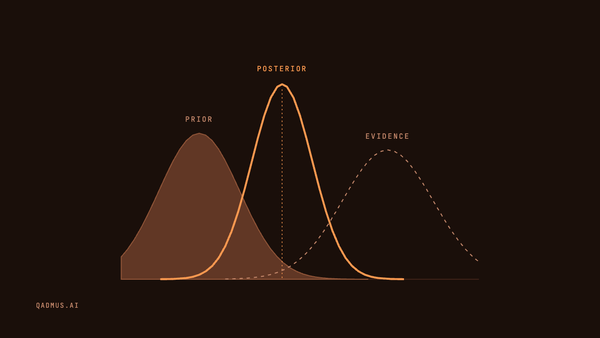
A chest x-ray tool tells a young woman on Medicaid that nothing is wrong. Bayesian epistemology explains how a model can update perfectly and still begin from the wrong place, and what a governance committee should ask before it trusts a probability.
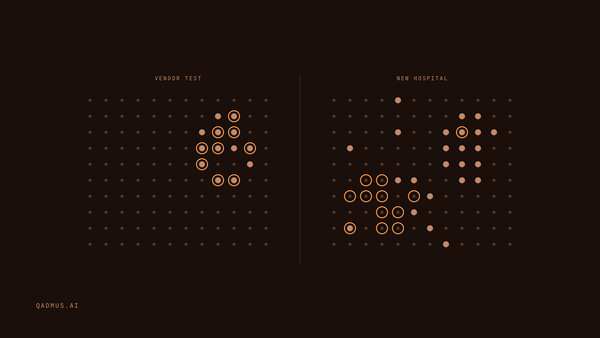
A sepsis model passed the vendor's tests, then missed most cases at a new hospital. Empiricism explains both. Post 2 asks what evidence can prove about a health AI model, what it cannot, and why passing the test is where governance begins, not where it ends.
AI in healthcare is moving fast, but how do we actually know it's right? Explore why academic health systems must look beyond ethics and ask a deeper question: What counts as "knowing"? Introducing a series on epistemology and responsible clinical AI.